Produk

OEM/ODM Batching Tanks
Rumah / Produk / Tangki Pencampur / Tangki Pengelompokan

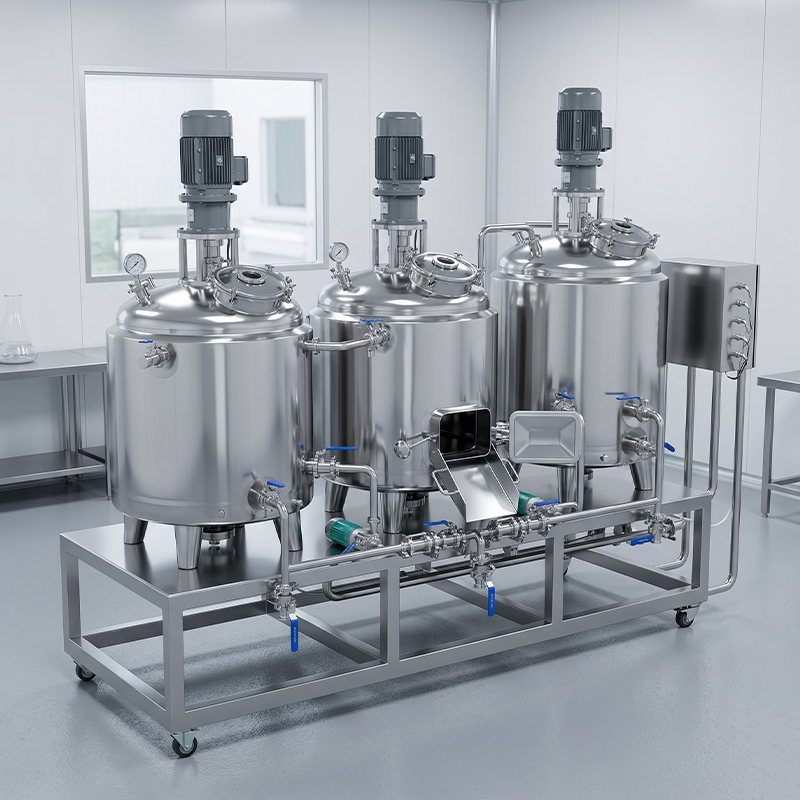
Stainless Steel Batching Tanks Supplier

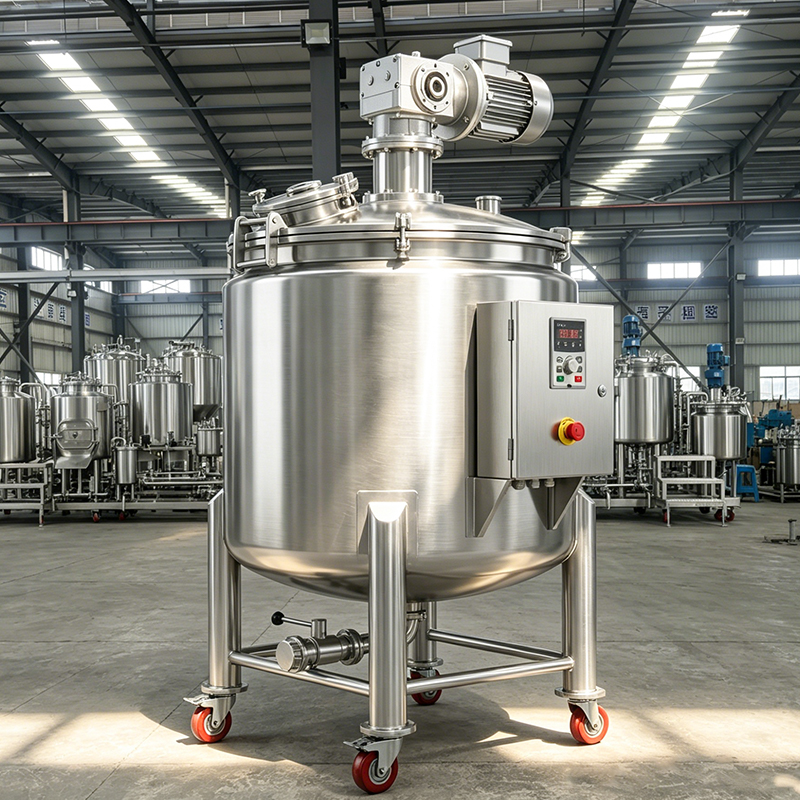
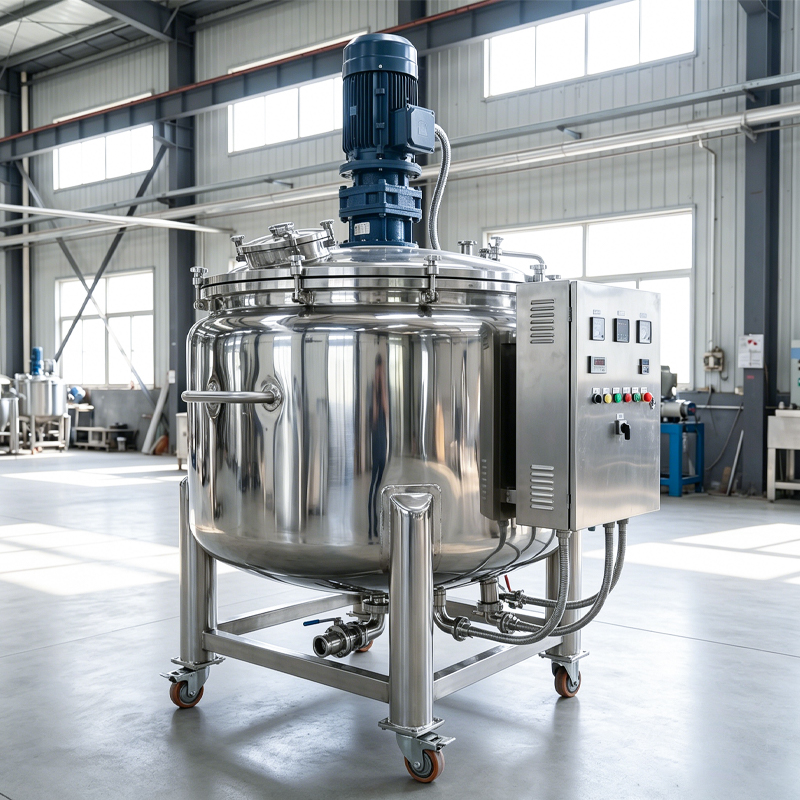
YME menyediakan solusi Mobile Batching yang sangat serbaguna yang dirancang untuk persiapan dan pengangkutan bahan cair yang fleksibel dalam lingkungan produksi yang dinamis. Fokus teknik kami adalah pada kondensasi kemampuan pencampuran kelas profesional ke dalam sasis baja tahan karat yang ringkas dan mobile, dilengkapi kastor tugas berat dan pegangan dorong terintegrasi untuk kemudahan manuver. Tangki bergerak Ningbo Yuanlong (YME) dilengkapi dengan agitator geser tinggi atau tipe jangkar, penanda volume internal dengan skala presisi, dan kotak kontrol terintegrasi untuk pengoperasian plug-and-play. Baik Anda melakukan pencampuran aditif khusus dalam jumlah kecil atau mengangkut bahan-bahan sensitif antar stasiun pemrosesan, sistem seluler kami dibuat untuk memastikan homogenitas produk dan efisiensi pergantian yang cepat.

YME Equipment Co., Ltd.
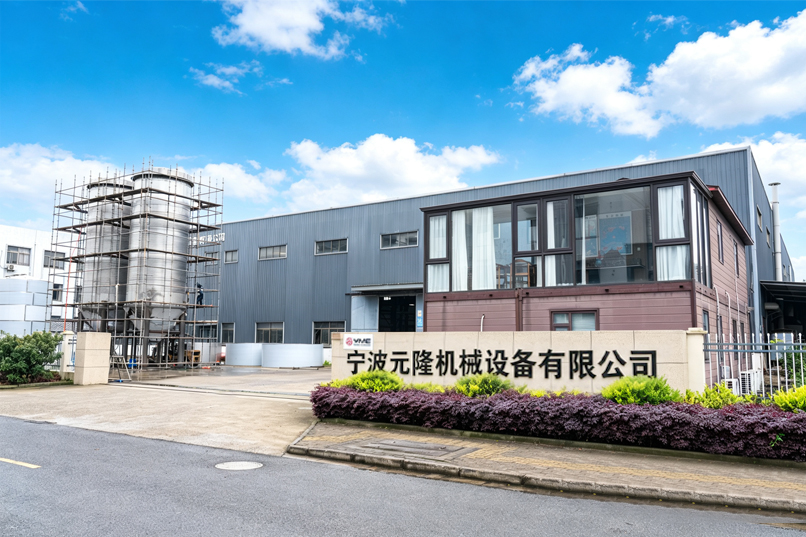
Founded in 2001, YME is headquartered in Ningbo, Zhejiang, China. We are a China Stainless Steel Batching Tanks Supplier and OEM/ODM Batching Tanks Company, primarily stainless steel processing business with a modern manufacturing facility covering 6000m3. In recent years, our company has become one of the leaders in the stainless steel products industry, earning wide recognition from customers for our high-quality products and excellent service.
Kesuksesan YME dibangun di atas kekuatan tim kami yang berdedikasi—sekelompok profesional yang penuh semangat yang menggabungkan pengalaman industri yang mendalam dengan dorongan tiada henti untuk berinovasi. Desainer, insinyur, dan staf produksi kami tidak hanya sangat terampil tetapi juga terus menjalani pelatihan lanjutan untuk tetap menjadi yang terdepan dalam tren dan teknologi industri. Komitmen terhadap keunggulan ini memungkinkan kami beradaptasi dengan lancar terhadap proyek dengan ukuran dan kompleksitas apa pun, memberikan solusi yang disesuaikan dengan presisi dan kreativitas. Perpaduan antara keahlian, pemikiran ke depan, dan semangat kolaboratif inilah yang memungkinkan kami secara konsisten melampaui ekspektasi klien dan mewujudkan ide-ide visioner.
Jangkauan kami meluas ke seluruh dunia—mulai dari pusat manufaktur di Asia hingga pasar negara maju di Eropa, Amerika Utara, dan Australia. Penerimaan luas ini adalah hasil langsung dari kemitraan jangka panjang yang kami jalin dengan pelanggan di setiap wilayah yang kami layani. Dengan secara konsisten menyediakan peralatan baja tahan karat dengan kualitas tak tertandingi, kami telah membangun landasan kepercayaan yang menatap masa depan. Ke depan, kami berkomitmen untuk memperkuat ikatan ini dan memperluas keluarga global kami, disatukan oleh visi bersama untuk mencapai keunggulan.
Kesuksesan YME dibangun di atas kekuatan tim kami yang berdedikasi—sekelompok profesional yang penuh semangat yang menggabungkan pengalaman industri yang mendalam dengan dorongan tiada henti untuk berinovasi. Desainer, insinyur, dan staf produksi kami tidak hanya sangat terampil tetapi juga terus menjalani pelatihan lanjutan untuk tetap menjadi yang terdepan dalam tren dan teknologi industri. Komitmen terhadap keunggulan ini memungkinkan kami beradaptasi dengan lancar terhadap proyek dengan ukuran dan kompleksitas apa pun, memberikan solusi yang disesuaikan dengan presisi dan kreativitas. Perpaduan antara keahlian, pemikiran ke depan, dan semangat kolaboratif inilah yang memungkinkan kami secara konsisten melampaui ekspektasi klien dan mewujudkan ide-ide visioner.
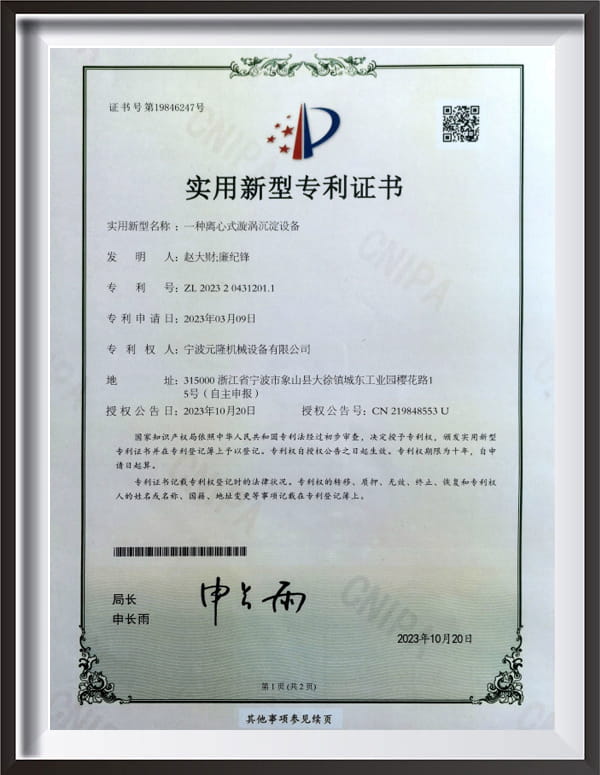
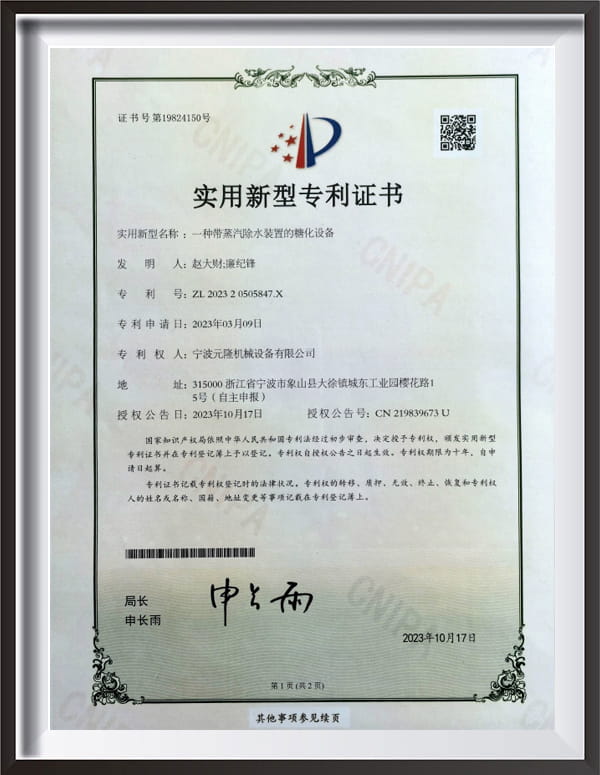
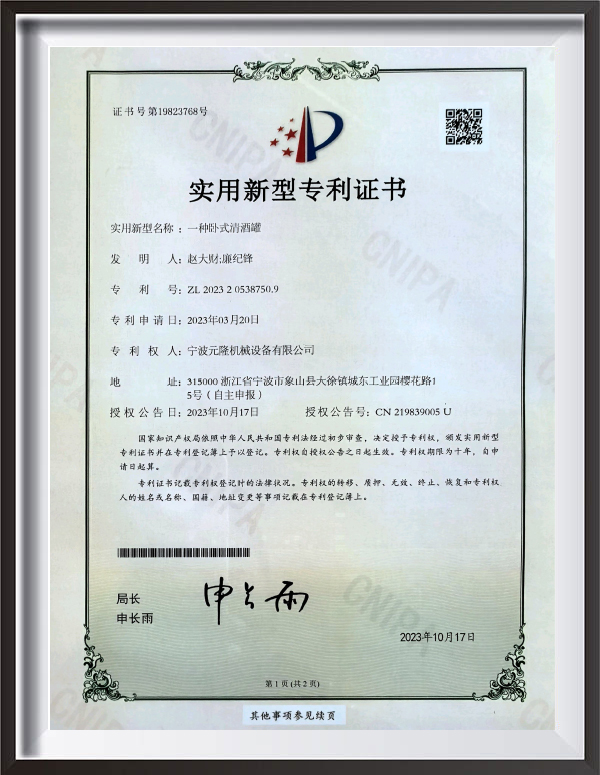
Sertifikat Kehormatan
  • Sertifikat
  • Sertifikat
  • Sertifikat
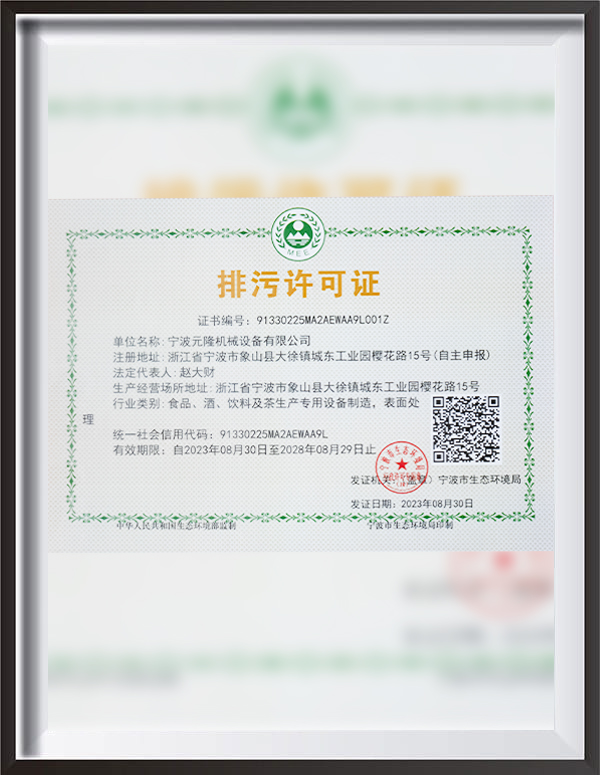
  • Izin Emisi
Berita
Tangki Pengelompokan Industry knowledge

Understanding the Role of Batching Tanks

Batching Tanks are used to accurately measure, combine, and hold precise volumes of liquid or semi-liquid ingredients before they move on to the next stage of production, such as filling, cooking, or fermentation. Rather than continuous processing, batching allows a facility to prepare defined quantities—say 500 liters or 2,000 liters at a time—ensuring every batch follows the same formulation and quality standard.

Stainless Steel Batching Tanks are the preferred choice across food, beverage, dairy, cosmetics, and pharmaceutical industries because stainless steel resists corrosion, does not react with acidic or alcoholic products, and can be polished to a hygienic finish that meets strict sanitation requirements. This combination of durability and cleanability makes stainless steel batching tanks suitable for both raw ingredient staging and finished product holding.

Advantages of Using Stainless Steel Batching Tanks

  • Accurate volume control through calibrated level indicators or load cells, reducing formulation errors between batches.
  • Long service life, since 304 and 316L stainless steel resist rust and chemical attack far better than mild steel or plastic tanks.
  • Easier compliance with food safety standards, thanks to smooth, non-porous interior surfaces that resist bacterial growth.
  • Flexible configuration, with options for flat, dish, or conical bottoms depending on drainage and cleaning needs.
  • Compatibility with automation, allowing batching tanks to be integrated into PLC-controlled recipe systems for repeatable results.

How Batching Tanks Work in a Production Line

Ingredient Metering and Loading

Liquid or powdered ingredients are added to the tank through top-mounted inlet ports, often guided by flow meters or weighing systems that stop dosing once the target quantity is reached. This ensures each batch matches the recipe precisely, whether the tank is being used for water, syrup, brine, or a chemical solution.

Agitation and Blending

Many batching tanks include a low-to-medium speed agitator to keep ingredients evenly distributed and prevent settling, especially important for products containing suspended solids or multiple liquid phases that could separate while waiting for the next process step.

Discharge and Transfer

Once a batch is complete, product is discharged through a bottom outlet valve, typically driven by gravity or a sanitary pump, and transferred to the next stage such as filling lines, mixing tanks, or storage vessels. Batch tracking data, including volume and time stamps, can be logged automatically for traceability.

Common Batching Tank Configurations

Comparison of common batching tank configurations and their typical use cases
Configuration Bottom Type Best Suited For
Basic holding tank Flat Water, clean liquids
Agitated batching tank Dish Syrups, brines, blended liquids
Jacketed batching tank Conical Temperature-sensitive formulations
Weighing batching tank Conical Precision formulations with load cells

Sizing and Material Considerations

Choosing the right batching tank size depends on daily production volume, batch frequency, and downstream equipment capacity. A facility running three to four batches per shift may need a tank sized to cover roughly one hour of downstream demand to avoid production bottlenecks. Wall thickness and surface finish should also match the product—thicker gauges and 316L-grade stainless steel are common choices for acidic or high-salt formulations that would otherwise accelerate corrosion in lower-grade materials.

YME Equipment Co., Ltd, a China-based OEM/ODM fluid process equipment manufacturer and brewery equipment supplier with over 20 years of experience, engineers stainless steel batching tanks as part of comprehensive process solutions spanning brewhouse systems, fermentation, CIP stations, and water treatment. Its stainless steel equipment has been exported to Europe, North America, Australia, and Asia, supported by long-term partnerships built on consistent product quality.

Frequently Asked Questions

Q1: What is the difference between a batching tank and a mixing tank?
A batching tank is primarily used to measure and hold a precise quantity of ingredients, while a mixing tank focuses on blending, dissolving, or emulsifying those ingredients—many production lines use both in sequence.

Q2: Why is stainless steel preferred over plastic for batching tanks?
Stainless steel resists corrosion, withstands higher temperatures, is easier to sanitize thoroughly, and has a longer service life compared to plastic tanks, which can absorb odors and degrade over time.

Q3: Can batching tanks be automated for recipe control?
Yes, batching tanks can be equipped with flow meters, load cells, and PLC controls to automatically dose ingredients according to a stored recipe, improving accuracy and reducing manual labor.

Q4: How is a stainless steel batching tank cleaned between batches?
Most sanitary batching tanks support CIP (Clean-In-Place) cleaning, using spray balls to circulate cleaning and sanitizing solutions through the tank interior without manual disassembly.

Peralatan YME